

Culture


A diverse culture
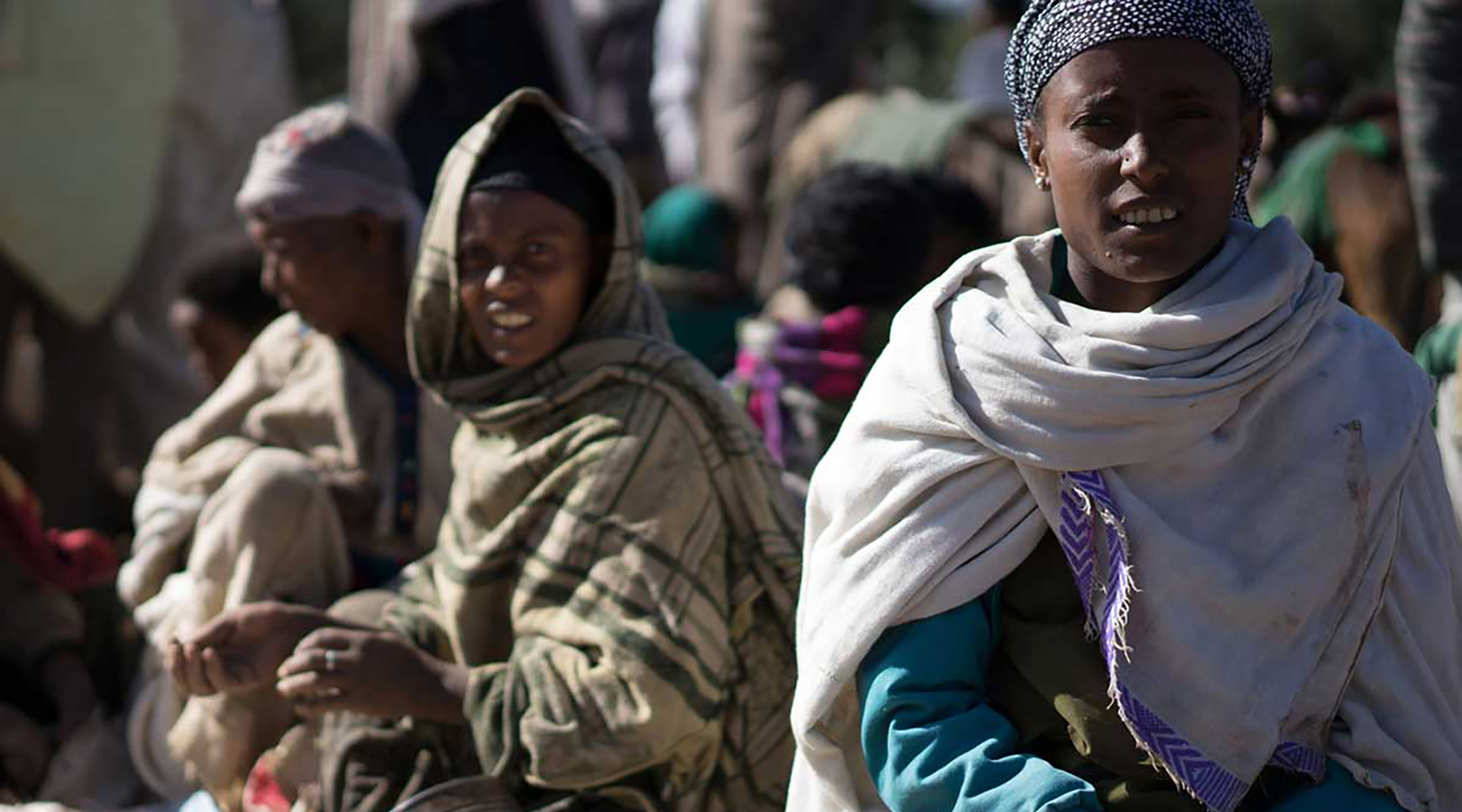
The culture in Ethiopia is as diverse as the landscapes which make up this incredible country.
From the tribes of the Omo Valley to the nomads of the Danakil desert, the traditions and lifestyles of the Ethiopian people vary immensely.
The North
To the North, the region is steeped in the history of its ancient past with magnificent monuments sculpted in stone.
Its people and language follow a lineage traced back to biblical times from the middle east.


The East
To the East, the ancient city of Harar is surrounded by stout walls which protect a web of narrow passages and multitude of mosques.
This is the fourth most important city in the Muslim world and a centre for Islamic learning. It is renowned for its fine handicrafts, delicate weaving and beautifully bound manuscripts.
The Afar
The Afar still walk the countryside in the hottest place on earth, where once lived the earliest recorded hominid.
The Afars’ simple, reed mat huts are easy to assemble and take apart which suits their nomadic lifestyle.


The Omo Valley
The Omo Valley sits in the southern part of the country. It is one of the most culturally diverse regions in the world today.
A journey through this valley blends an understanding of the diverse tribal ceremonies with the languid flow of one of Africas’ most important waterways.
The people of the Omo Valley
The Omo Valley provides an insight into a way of life we have long forgotten.
Visiting the people in this region is both emotional and awe inspiring.


Diverse communities
The Omo is home to many different tribes including, the Kara, the Hamar, the Nyangatom, the Dassenech, the Mursi and the Kwegu. There is plenty to experience – including visits to witness the customs and lifestyles of these communities.
The people of the Gambella region
Vast plains stretch alongside great rivers in the western lowlands of the Gambella region. This area is home to the Nuer and Anuak tribal groups – both of Nilotic descent. The Anuak are fishermen situated on the Gilo River, while the Nuer are pastoralists in the area around the Baro River.


